We use cookies to enhance your experience and provide essential functionality. We do not track users for advertising purposes. By clicking "Accept", you consent to our use of cookies.
Launch offer - Professional memberships are free for a limited time!
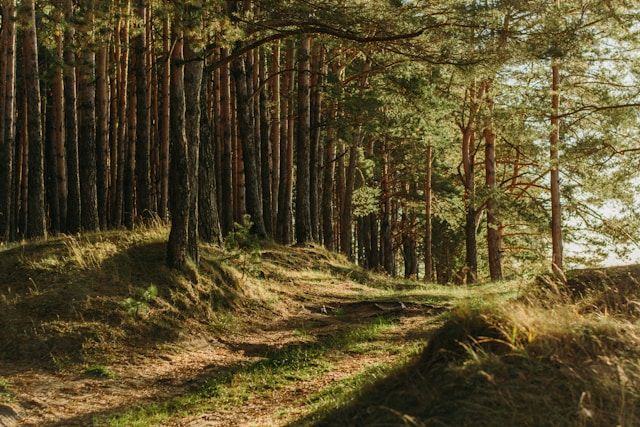
Forest Bathing Is It Worth The Hype?
In today’s fast-paced world, where pollution, stress, and modern lifestyles take a toll on our health, reconnecting with nature has proven to be one of the most effective ways to enhance well-being. Among the various natural environments, forests stand out as an exceptional source of rejuvenation. Scientific studies increasingly show that spending time in forests does not just boost mental health but also supercharges the immune system, making individuals more resilient to diseases and infections.
### The Science Behind Forests and Immunity Boost
Forests are abundant in phytoncides, which are organic compounds released by trees and plants. These natural chemicals possess antimicrobial properties that help plants fight off diseases and insects. When humans inhale phytoncides during a walk in the woods, these compounds stimulate the production of natural killer (NK) cells, a type of white blood cell responsible for identifying and eliminating harmful pathogens, cancerous cells, and infections in the body.
A study conducted in Japan found that individuals who spent time in forested areas exhibited significantly increased levels of NK cells compared to those who stayed in urban settings. This immune-boosting effect persisted for weeks after the forest visit, demonstrating long-lasting benefits.
### Reduction of Stress Hormones Enhances Immunity
Chronic stress is one of the leading causes of immune system suppression. Cortisol, the primary stress hormone, weakens the immune response, making the body more susceptible to illnesses. Spending time in forests has been linked to a substantial reduction in cortisol levels, leading to a strengthened immune system.
When individuals engage in forest bathing (also known as Shinrin-yoku in Japan), they experience decreased blood pressure, lower heart rate, and an enhanced sense of relaxation. This calming effect indirectly supports immune function by reducing inflammation and enhancing overall health.
### Increased Oxygen Intake and Improved Lung Function
Forests are often referred to as the lungs of the planet, and for a good reason. Trees absorb carbon dioxide and release oxygen, improving air quality and providing an optimal environment for deep, healthy breathing. When we spend time in forests, we inhale fresher, cleaner air, free from pollutants commonly found in urban areas.
Enhanced oxygen intake improves lung function, supports the respiratory system, and boosts energy levels. This increased oxygenation of the body plays a key role in immune function by facilitating cellular repair and regeneration.
Exposure to Beneficial Microbes Strengthens Immunity
Soil in forests is teeming with beneficial microbes that interact with our skin and respiratory system, promoting a stronger immune system. Studies have shown that exposure to these natural microbes can help regulate gut microbiota, which plays a vital role in immune function.
One of the most significant discoveries in this field is Mycobacterium vaccae, a type of bacterium found in soil that has been linked to improved mood, reduced inflammation, and enhanced immune response. When individuals walk barefoot on forest floors or simply engage with the environment, they absorb these beneficial microbes, strengthening their defensive mechanisms against various diseases.
Sunlight and Vitamin D: A Natural Immune Booster
Sunlight filtering through the dense canopy of forests provides the body with a much-needed dose of Vitamin D. This vitamin is crucial for the proper functioning of the immune system, as it enhances the pathogen-fighting capabilities of monocytes and macrophages—key components of immune defence.
Studies indicate that individuals with Vitamin D deficiency are more prone to infections, autoimmune disorders, and chronic illnesses. Spending time in forests, particularly in the morning or late afternoon, allows for safe sun exposure, promoting optimal vitamin D levels.
Forest Activities That Maximise Immune Benefits
To reap the maximum benefits of forests, engaging in specific activities can significantly enhance immune function. Some of the best ways to boost immunity while enjoying the forest include:
Forest Bathing (Shinrin-yoku): Slowly walking through the forest, absorbing its sights, sounds, and scents while practicing deep breathing.
Hiking: Moderate-intensity hiking improves cardiovascular health and boosts circulation, further strengthening the immune system.
Meditation and Yoga: Practicing mindfulness amidst the serene forest environment enhances mental clarity and reduces stress hormones.
Barefoot Walking (Grounding): Walking barefoot on soil, grass, or leaves allows for the absorption of earth’s electrons, which have anti-inflammatory effects.
Camping and Overnight Stays: Spending extended time in forests maximises exposure to beneficial compounds and natural elements.
Long-Term Health Benefits of Regular Forest Exposure
Making forest visits a regular habit provides a wealth of long-term health benefits, including:
Reduced risk of chronic diseases such as diabetes, heart disease, and hypertension.
Improved sleep quality due to reduced stress and better hormonal balance.
Stronger immune response leading to fewer colds, flu, and infections.
Enhanced cognitive function and mental clarity, promoting better focus and creativity.
Lowered inflammation levels, reducing the risk of autoimmune disorders.
Final Thoughts
Incorporating forest visits into one’s lifestyle is an effortless yet highly effective way to supercharge the immune system. With modern life distancing people from natural environments, making a conscious effort to spend time among trees can bring transformative health benefits. Whether through hiking, forest bathing, or simply sitting in the tranquil greenery, the immune-boosting effects of forests are undeniable.
By prioritising nature exposure, individuals can harness the incredible power of the natural world to maintain robust health, enhance longevity, and cultivate a resilient immune system.