We use cookies to enhance your experience and provide essential functionality. We do not track users for advertising purposes. By clicking "Accept", you consent to our use of cookies.
Launch offer - Professional memberships are free for a limited time!
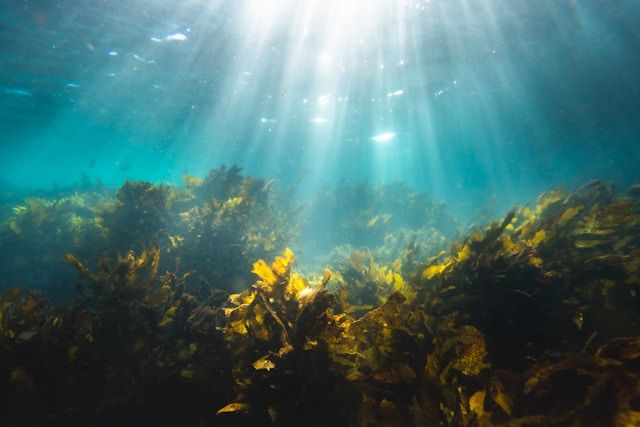
Marine Permaculture: Restoring Oceans and Fighting Climate Change

Article Author
Marine permaculture is an emerging movement that applies permaculture principles to the sea. By designing floating or anchored ecosystems of seaweed, kelp, and associated marine life, it offers a powerful toolkit for restoring ocean health and addressing climate change.
How It Works
Marine permaculture systems use wave- and solar-powered platforms to upwell cool, nutrient-rich water from the deep ocean to the surface. This process fuels the growth of seaweed forests, which in turn:
- Absorb vast amounts of carbon dioxide
- Provide habitats for fish, shellfish, and marine biodiversity
- Boost local fisheries and food security
- Help buffer ocean acidification
Climate and Ecological Benefits
- Carbon Sequestration: Seaweed grows up to 30 times faster than land plants, making it a champion in carbon drawdown.
- Blue Carbon Economy: Harvested seaweed can be used in food, fertilizers, textiles, and even as an ingredient in livestock feed that reduces methane emissions.
- Biodiversity Revival: Kelp forests act as underwater rainforests, restoring balance to ecosystems damaged by overfishing, warming seas, and pollution.
Global Pilot Projects
- Hawaii & Tasmania: Experimental marine permaculture arrays are being tested to restore declining kelp beds.
- Puerto Rico: Offshore trials focus on climate resilience and local food supply.
- Global Recognition: Marine permaculture has been highlighted in Project Drawdown and the MacArthur Foundation’s Bold Solutions Network as a scalable climate solution.
Challenges Ahead
While promising, marine permaculture faces hurdles:
- Engineering resilience in open-ocean conditions
- Securing sustainable investment
- Navigating international maritime laws and ocean governance
Looking Forward
As climate change accelerates and food systems face increasing pressure, marine permaculture represents a bold vision: oceans transformed from climate victims into climate solutions. By combining ancient seaweed traditions with cutting-edge ecological design, marine permaculture could play a central role in regenerating both ocean health and human futures.
---
Conclusion: Marine permaculture is more than an idea—it is a living, evolving practice that bridges ecological restoration, sustainable food production, and climate action. If scaled responsibly, it could become one of the most impactful regenerative movements of the 21st century.