We use cookies to enhance your experience and provide essential functionality. We do not track users for advertising purposes. By clicking "Accept", you consent to our use of cookies.
Launch offer - Professional memberships are free for a limited time!
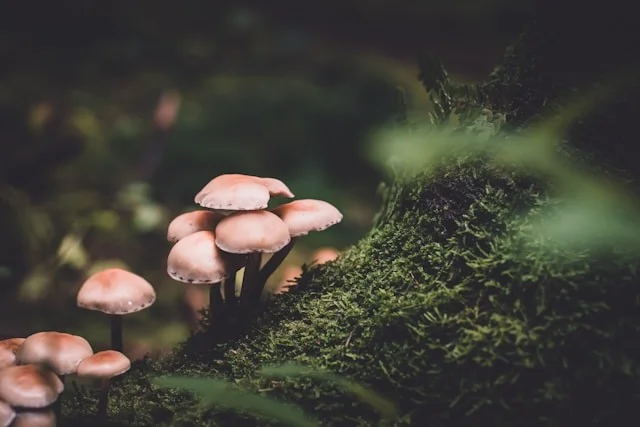
The Role of Mycelium in Permaculture: More Than Just Mushrooms

Article Author
When most people think of fungi, they picture mushrooms sprouting from the soil or growing on a fallen log. Yet beneath the surface lies something far more powerful and essential: the mycelium. This vast underground network of fungal threads is the hidden life force that sustains ecosystems, and in permaculture it is increasingly recognised as a cornerstone of resilient design.
What Is Mycelium?
Mycelium is the vegetative part of fungi, made up of tiny thread-like structures called hyphae. These hyphae spread through soil, wood, and organic matter, forming intricate networks. If we were to magnify the ground beneath our feet, we would see a web-like system connecting roots, plants, and even entire forests. In fact, scientists have found that some mycelial networks stretch for kilometres, making them among the largest living organisms on Earth.
The Soil’s Silent Engineer
In permaculture, healthy soil is the foundation of everything. Mycelium plays a vital role in maintaining that foundation. It breaks down organic matter into nutrients that plants can absorb, acting as a natural recycler. Without fungi, fallen leaves, dead plants, and wood would pile up endlessly, and the cycle of fertility would grind to a halt.
Research shows that mycorrhizal fungi – the symbiotic form of mycelium that connects with plant roots – can increase nutrient uptake by up to 85%. This relationship is not just beneficial but necessary. Many plants struggle to survive without these fungal partners, especially in poor soils.
A Communication Network Beneath Our Feet
One of the most fascinating discoveries in recent decades is that mycelium forms what scientists call the “Wood Wide Web.” Through this network, plants can exchange signals and even resources. For example, a tree in distress from pest attack can send out chemical warnings through its mycorrhizal connections, allowing neighbouring plants to activate their defences. Similarly, stronger plants can share carbon with weaker ones, keeping the ecosystem balanced.
For permaculture designers, this means that fostering fungal networks creates more resilient gardens and farms. A system that communicates beneath the soil is naturally more adaptive to stress.
Mycelium and Climate Resilience
Another reason mycelium matters is its role in carbon storage. Fungi lock carbon into the soil as they decompose organic matter, helping to mitigate climate change. Studies estimate that forests with strong fungal networks store significantly more carbon than those without. By encouraging fungal growth in permaculture systems – for instance through mulching, no-dig gardening, or inoculating soils with mycorrhizal spores - we contribute directly to climate resilience.
Practical Applications in Permaculture
For those designing or tending a permaculture space, here are some ways to integrate mycelium into practice:
- Mulching and wood chips: Fungal species thrive in woody debris and leaf litter, creating fertile fungal-rich soils.
- Mycorrhizal inoculants: These are increasingly available and can be added when planting trees and perennials.
- Polyculture planting: Diverse plant communities support diverse fungi, strengthening the underground network.
- Minimal soil disturbance: Digging breaks fungal threads; no-dig methods preserve the living web.
More Than Just Mushrooms
While mushrooms may be the visible fruit, mycelium is the real treasure. It nourishes plants, communicates across ecosystems, locks away carbon, and helps build the resilience we need for sustainable living. In permaculture, recognising mycelium as more than just mushrooms allows us to design systems that are not only productive but deeply aligned with the wisdom of nature.