We use cookies to enhance your experience and provide essential functionality. We do not track users for advertising purposes. By clicking "Accept", you consent to our use of cookies.
Launch offer - Professional memberships are free for a limited time!
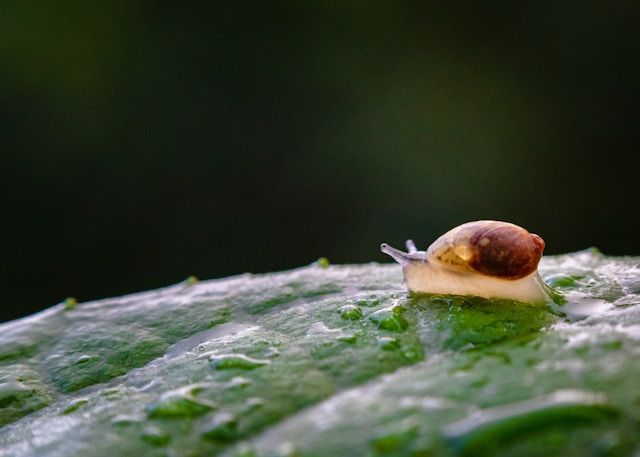
How to Identify Garden Pests Without Harming Your Plants
Welcome to this Friendly Friday Thread where we dive into one of the most common challenges for gardeners: identifying pests without causing harm to your beloved plants. Whether you're a seasoned gardener or just starting out, dealing with unwanted visitors can be frustrating. But before reaching for harsh chemicals, it's worth learning how to spot and manage pests in a way that keeps your garden thriving and eco-friendly.
In this post, we’ll explore non-invasive methods to identify pests, understand their behavior, and take action without disrupting your garden’s delicate balance. From visual inspections to natural deterrents, these strategies will help you maintain a healthy, vibrant garden while keeping pests at bay.
---
## Why Identifying Pests the Right Way Matters
Many gardeners panic at the first sign of damage and resort to pesticides, which can harm beneficial insects, soil health, and even your plants. Instead, a thoughtful, step-by-step approach ensures you target only the culprits while preserving your garden’s ecosystem.
### The Risks of Misidentification
Accidental harm to beneficial insects (e.g., ladybugs, bees, and predatory beetles).
Overuse of chemicals leading to resistant pest populations.
Damage to plant health from unnecessary treatments.
By learning to identify pests correctly, you can avoid these pitfalls and adopt sustainable gardening practices.
---
## Step 1: Conduct a Visual Inspection
The first step in pest management is observation. Regularly check your plants for signs of trouble, focusing on these key areas:
### Leaves
- Holes or chewed edges → Likely caterpillars, beetles, or slugs.
- Sticky residue or black sooty mold → Aphids or scale insects.
- Yellowing or curling → Could indicate spider mites or thrips.
### Stems and Soil
- Webbing on stems → Spider mites.
- Holes in stems → Borers or stem-nesting insects.
- Tunnels in soil near roots → Grubs or root maggots.
### Flowers and Fruits
- Browning or deformed petals → Thrips or fungal issues.
- Bite marks on fruits → Slugs, snails, or rodents.
Pro Tip: Use a magnifying glass to spot tiny pests like spider mites, and inspect plants early in the morning when many pests are most active.
---
## Step 2: Identify Common Garden Pests
Here’s a quick guide to some of the most frequent offenders:
### Chewing Insects
- Caterpillars → Leave large, irregular holes.
- Slugs & Snails → Shiny slime trails and ragged edges.
- Japanese Beetles → Skeletonized leaves.
### Sucking Insects
- Aphids → Clusters on new growth, sticky honeydew.
- Whiteflies → Tiny white insects that fly when disturbed.
- Spider Mites → Fine webbing, stippled leaves.
### Soil Pests
- Grubs → Brown patches in lawns, spongy soil.
- Cutworms → Seedlings cut at the base.
Natural Identification Hack: Place a white sheet of paper under a shaken plant branch—many tiny pests will fall and become visible.
---
## Step 3: Use Non-Toxic Monitoring Methods
Before taking action, confirm pest presence with these low-impact techniques:
### Sticky Traps
- Yellow traps attract aphids, whiteflies, and fungus gnats.
- Blue traps work best for thrips.
### DIY Traps
- Beer traps for slugs and snails.
- Cardboard collars around seedlings to deter cutworms.
### Beneficial Insects
- Ladybugs → Eat aphids.
- Praying mantises → Hunt larger pests.
Note: Avoid broad-spectrum pesticides—they kill both pests and beneficial insects.
---
## Step 4: Natural Remedies to Manage Pests
Once identified, try these plant-friendly solutions:
### For Small Infestations
- Blast aphids with a strong water spray.
- Handpick caterpillars and beetles (wear gloves if needed).
### For Persistent Pests
- Neem oil → Disrupts pests’ life cycles.
- Diatomaceous earth → Effective against crawling insects (reapply after rain).
- Insecticidal soap → Safe for plants, lethal to soft-bodied pests.
### Preventative Measures
- Companion planting (e.g., marigolds deter nematodes).
- Row covers to block flying pests.
---
## Conclusion: A Balanced Approach to Pest Control
Identifying garden pests doesn’t have to mean declaring war on your plants. By observing carefully, using non-toxic tools, and applying targeted remedies, you can manage pests without harming your garden’s ecosystem.
Remember, a few pests are normal—they’re part of nature’s balance. Focus on long-term health by fostering biodiversity, encouraging beneficial insects, and staying patient. Your garden (and the environment) will thank you!
Happy gardening, and see you in the next Friendly Friday Thread! 🌱