We use cookies to enhance your experience and provide essential functionality. We do not track users for advertising purposes. By clicking "Accept", you consent to our use of cookies.
Launch offer - Professional memberships are free for a limited time!
Medicinal Plants You Can Grow in Your Backyard (And How to Use Them)
There’s something quietly magical about stepping into your own backyard and finding healing in the plants you’ve nurtured yourself. Medicinal plants have been used for centuries to soothe everything from headaches to heartache, and the best part? Many of them are super easy to grow at home. Whether you’re an herbal newbie or a green-thumbed guru, these plants are a great start to your natural remedy garden.
So, grab a cup of tea (maybe with a sprig of fresh mint), and let’s dig in.
---
🌿 Aloe Vera – The First Aid Kit in a Pot
Why grow it?
Aloe vera is a no-fuss, succulent plant that thrives indoors or outdoors with very little attention. It’s best known for its cooling, soothing gel — perfect for sunburns, minor cuts, and dry skin.
How to use it:
Snap off a thick leaf, slice it open, and scoop out the gel. Apply directly to burns, bug bites, or irritated skin. You can also toss a bit into your smoothie for a gut-soothing boost (just make sure it’s food-grade aloe).
---
🌼 Chamomile – Your Sleepytime Buddy
Why grow it?
Chamomile isn’t just for teabags — it’s a cheerful little plant with daisy-like flowers that smells amazing and has serious calming vibes. It grows well in pots or garden beds, and attracts helpful pollinators too.
How to use it:
Harvest the flowers and dry them. Then, steep a handful in hot water for a homemade tea that eases anxiety, helps you sleep, and can even soothe an upset stomach.
---
🌱 Peppermint – The Tummy Tamer
Why grow it?
Peppermint is a powerhouse plant that spreads like crazy (so keep it in a pot if you don’t want it taking over). It’s great for digestion, headaches, and even mental clarity.
How to use it:
Steep fresh leaves for a quick mint tea or crush them and inhale the aroma to clear your sinuses. You can also infuse it into oil for a refreshing muscle rub.
---
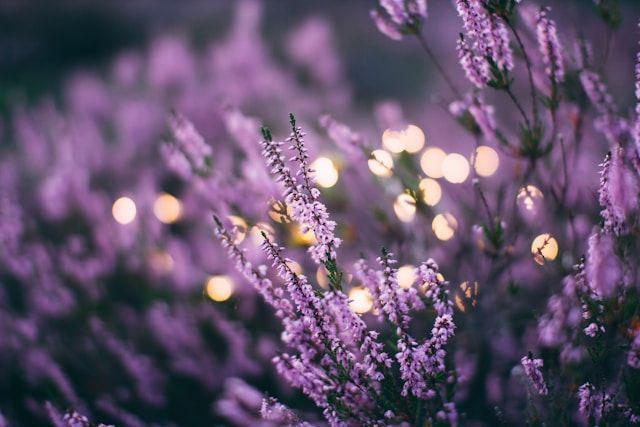
🌿 Lavender – The Chill-Out Plant
Why grow it?
Lavender looks beautiful, smells incredible, and has all kinds of calming and anti-inflammatory properties. Bees love it too, which makes it a win for your garden ecosystem.
How to use it:
Dry the flowers and make your own sleep sachets, bath salts, or calming teas. You can also infuse lavender in oil or alcohol to create soothing tinctures or homemade skin toners.
---
🌼 Calendula – The Skin Soother
Why grow it?
Calendula (a.k.a. pot marigold) is not only a stunning, sunny addition to your garden, it’s also a gentle healer for the skin. It’s known for helping with wounds, rashes, and even diaper rash.
How to use it:
Dry the petals and infuse them in oil for a healing salve or balm. You can also make a skin-soothing tea or add it to your bathwater for an herbal soak.
---
🌿 Lemon Balm – The Uplifter
Why grow it?
Lemon balm is part of the mint family and has a subtle citrusy scent that instantly brightens your mood. It’s great for stress, sleep, and even cold sores.
How to use it:
Brew a fresh tea with the leaves for a calming drink, or crush the leaves and apply to bug bites to relieve itching. You can also make a lemon balm tincture to keep in your natural medicine cabinet.
---
A Few Tips Before You Go Full Herbalist
- Start small. Pick 2-3 plants to begin with and learn how they grow and what they need.
- Use clean methods. If you're planning to consume or apply these plants, make sure you're not using chemical fertilizers or pesticides.
- Do your research. Even natural remedies can have side effects or interact with medications, so always double-check and, if needed, consult your healthcare provider.
---
Nature’s Medicine Cabinet Is Closer Than You Think
Growing medicinal plants at home isn’t just about health benefits — it’s about reconnecting with the earth, slowing down, and creating a space that supports your well-being from the ground up.
So next time you’re out in the garden, take a moment. Breathe in the scent of lavender, sip a cup of chamomile, and know that you’ve got your own little apothecary right outside your door.